STORIES FROM THE PAST...

Every article gives you a link to the YouTube documentary, and a full list of sources from the archives.

The Most TOXIC Mother & Daughter in Victorian London – I Uncovered a 12O-Year-Old Mystery

Latest Story

The Most TOXIC Mother & Daughter in Victorian London – I Uncovered a 12O-Year-Old Mystery

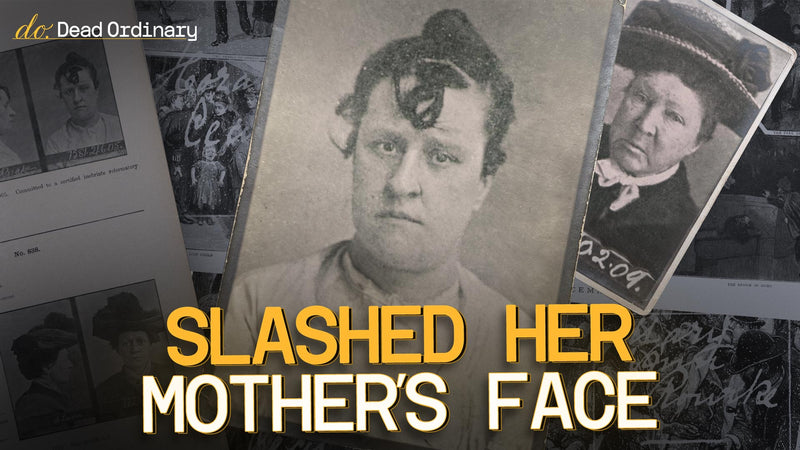
In August 1893, a twenty-year-old woman in Croydon slashed her mother’s face with a knife twice in one day, then struck her with a poker through the parlour window. In court she said that if she had the chance, she would do it again. So what really went on between this mother and daughter?Her name was Mary Ann O’Rourke. The records follow her from the Croydon police court to Lisson Grove, a cell in Holloway and an inebriate reformatory, with her photograph sent round the pubs so that no one would serve her. I trace her mother too, down a road you probably won’t expect, and the baby son Mary Ann wasn’t allowed to take to prison with her, all the way to a sinking cruiser in the North Sea.This is her story, told through the records she left behind.
Read More: The Most TOXIC Mother & Daughter in Victorian London – I Uncovered a 12O-Year-Old Mystery
Jailed at 12 With a Gunshot Wound – I Found What Happened to Him | Victorian Reformatory Boys

Jailed at 12 With a Gunshot Wound – I Found What Happened to Him | Victorian Reformatory Boys

In 1871, a boy of twelve was sent away for five years for stealing a tobacco pouch and some cigars. He had already worked down a coal pit, and the reformatory’s register noted a gunshot wound in the back of his leg. So did the reformatory save him, or was the damage already done? His name was Ephraim Proud. The records follow him into the army, to India and Aden, out again as incorrigible and worthless, through years of fighting the police, and into the workhouse a few miles from where he was born. This is his story, told through the records he left behind.
Read More: Jailed at 12 With a Gunshot Wound – I Found What Happened to Him | Victorian Reformatory Boys
The 4ft 1 Boy Sent to Prison at 11 | Victorian Reformatory Boys

The 4ft 1 Boy Sent to Prison at 11 | Victorian Reformatory Boys

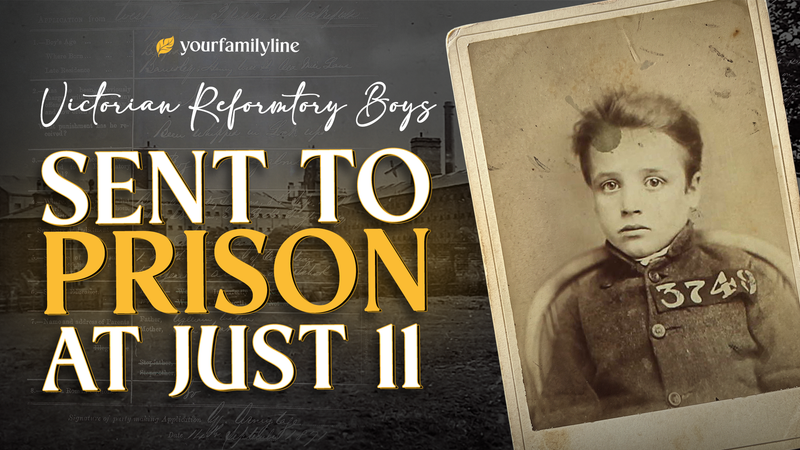
In 1871, a boy of eleven was sent to prison in Barnsley for taking eighteen shillings from a pub till. He got a month in Wakefield gaol, then five years in a reformatory. His own father stood in the courtroom and told the magistrates he was beyond his control. So did his father ever get him back? His name was Fred Watson. Wakefield photographed him at four foot one with a number on his chest, and the reformatory pasted the picture into its admission register. The records then follow him back to his father's forge, through the loss of four of his six children, and into the same grave at Brighouse as his father. This is his story, told through the records he left behind.
Read More: The 4ft 1 Boy Sent to Prison at 11 | Victorian Reformatory Boys
How a "Respectable" Man Got BANNED From Every Pub in London

How a "Respectable" Man Got BANNED From Every Pub in London

In 1909, one man was banned from every pub in London. His face went round on a printed card, and serving him so much as a pint became a criminal offence. But six years earlier, Scotland Yard had called him a respectable man, in writing, in a government file. So what happened? His name was Jonas Peter Törnqvist, a surname he invented at nineteen, his Swedish parish book carried no father to take one from. The records catch him keeping a sailors' boarding house in Shadwell for twenty-six years, becoming a British subject, and pleading poverty in court, three days before his death, with the exact fine in gold in his purse. Among those records is his Home Office naturalisation file, straight from the National Archives - never digitised and never seen online. This is his story, told through the records he left behind.
Read More: How a "Respectable" Man Got BANNED From Every Pub in London
Why England's First Captain Was FORGOTTEN

Why England's First Captain Was FORGOTTEN

On Saint Andrew's Day, 1872, four thousand people stood around a cricket ground in Partick to watch something that had never happened before: England against Scotland, the first international football match ever played. England's captain was a twenty-two-year-old from Dover - a man the game would forget so completely that in 2013 Steven Gerrard admitted he'd never heard of him.His name was Cuthbert Ottaway. The records catch him winning blues in five sports at Oxford, sailing for Canada with W. G. Grace, captaining England in both his internationals - and being hacked out of an FA Cup final at twenty-four. Dead of pneumonia at twenty-seven, mourned as a cricketer, his grave left unmarked for forty years.This is his story, told through the records he left behind.
Read More: Why England's First Captain Was FORGOTTEN
The Cross-Eyed Man BANNED From Every Pub in Birmingham

The Cross-Eyed Man BANNED From Every Pub in Birmingham

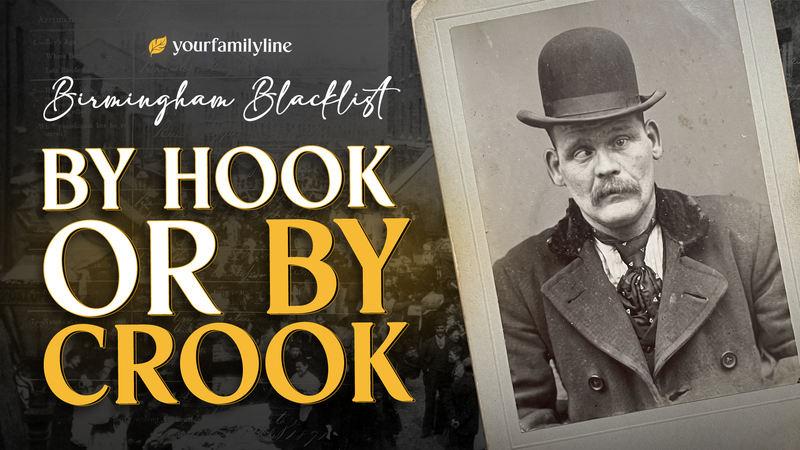
One night early in 1904, a printed card went round the pubs of Birmingham. On it were two photographs of a man in a bowler hat and a warning: serving him so much as a pint was now a criminal offence. He was the forty-ninth name on the city's black list — and the copy that survives is addressed, by hand, to his own local. His name was James Doyle, the man with the crossed right eye. The records catch him being run to ground in an ashpit, breaking a constable's ribs, cheering his own prison sentence from the dock — and slipping out of the city under a false name, leaving his five-year-old daughter in the workhouse. This is his story, told through the records he left behind.
Read More: The Cross-Eyed Man BANNED From Every Pub in Birmingham
Birmingham's Most Violent Woman | Why They BANNED Her From Every Pub

Birmingham's Most Violent Woman | Why They BANNED Her From Every Pub

One night early in 1904, a printed card arrived at every pub in Birmingham. On it was a woman's photograph and a warning: serving her so much as a glass of beer was now a criminal offence. She was one of only eighty-two people barred from every pub in the city. Four days later, she walked into a house where a woman would be murdered before morning.Her name was Alice Maud Tatlow. Born in British India in 1877, she had, by twenty-six, a string of aliases, a police record calling her "polisher and prostitute," and more than a hundred court appearances ahead of her.This is her story, told through the records she left behind.
Read More: Birmingham's Most Violent Woman | Why They BANNED Her From Every Pub
Britain's Youngest WW2 Service Death Was Hidden for 69 Years

Britain's Youngest WW2 Service Death Was Hidden for 69 Years

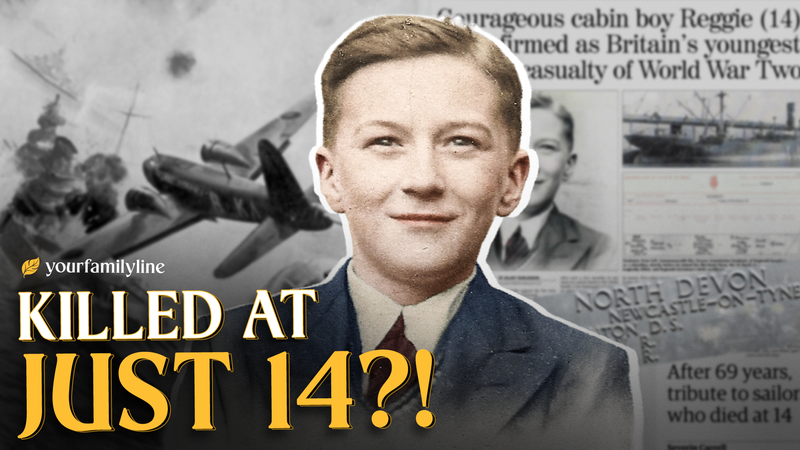
In February 1941, a boy went down to the docks at Leith and signed on to a merchant steamer. He told them he was born in 1926, which made him fifteen, old enough for the sea. They signed him on.His name was Reginald Earnshaw, and he was fourteen. Five months later he was dead, scalded by steam when bombs fell around his ship off the Norfolk coast. His body came ashore and was buried, the grave left unmarked, while his name was carved onto a memorial to the men with no grave but the sea, misspelled and uncounted. For sixty-nine years no one joined the two together. The lie that carried him to sea was the same thing that saved him from being forgotten - the false year he gave, set against the true one, proved how young he had been, and made him the youngest known British casualty of the whole war.
Read More: Britain's Youngest WW2 Service Death Was Hidden for 69 Years
How This Victorian Woman’s RIDICULOUS Lies Fell Apart

How This Victorian Woman’s RIDICULOUS Lies Fell Apart

In March 1890, a young woman in mourning dress checked into a Birmingham hotel. She gave her name as the Honourable Helena Ripley. Over a bottle of stout, she told the staff she was the niece of one of the most famous lawyers in England, the cousin of the Duke of Portland, and the sister of a celebrity captain. They believed her. Her real name was Eleanor Smith. She was twenty-two, the daughter of an Oxfordshire farmer who had lost his land. Some of the names she dropped belonged to real men. None of them had ever heard of her. The brother she invented entirely. The only thing that ever tripped her up was the physical evidence - the clothes she stole and refused to leave behind. This is her story, told through the records she left behind.
Read More: How This Victorian Woman’s RIDICULOUS Lies Fell Apart
Why on Earth Did This Family Steal DOORMATS?

Why on Earth Did This Family Steal DOORMATS?

On a December morning in 1906, a borough magistrate in Tynemouth opened his front door and found his doormat gone. It was india rubber, worth one pound ten shillings, and by the time he noticed it was missing it had already been carried sixty feet downhill, into a kitchen in North Shields, cut into pieces, and sold for scrap.The women who took it were a mother and her two daughters. The mother, Mary Ann Marr, had already served fourteen days for putting her thirteen-year-old son up to stealing a sailor's bag from the railway station. The son, by then, was six months into a four-year reformatory sentence. He was fourteen, and on somewhere between his fourteenth and eighteenth court appearance.This is their story, told through the records they left behind.
Read More: Why on Earth Did This Family Steal DOORMATS?
Why Did This Man BREAK INTO Britain's Worst Prison?

Why Did This Man BREAK INTO Britain's Worst Prison?

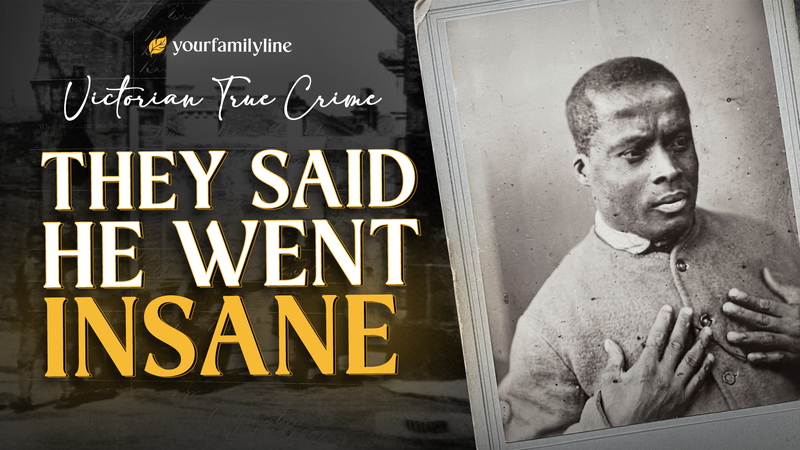
On the night of the sixteenth of August 1890, an alarm bell went off at the main gate of Dartmoor Convict Prison. The wire that triggered it was designed to catch men trying to climb out. The man whose foot had caught it that night had just climbed in. He was found in the carpenter's shop with a knife and a box of matches. His name, that day, was Joseph Denny. He was Barbadian, in his forties, and across twenty-three years of British court appearances he had used at least seven other names. Nine years earlier, standing in the dock at the Old Bailey, he had told the court he would commit murder before he was done. He had crossed the sea to keep his word. This is his story, told through the records he left behind.
Read More: Why Did This Man BREAK INTO Britain's Worst Prison?
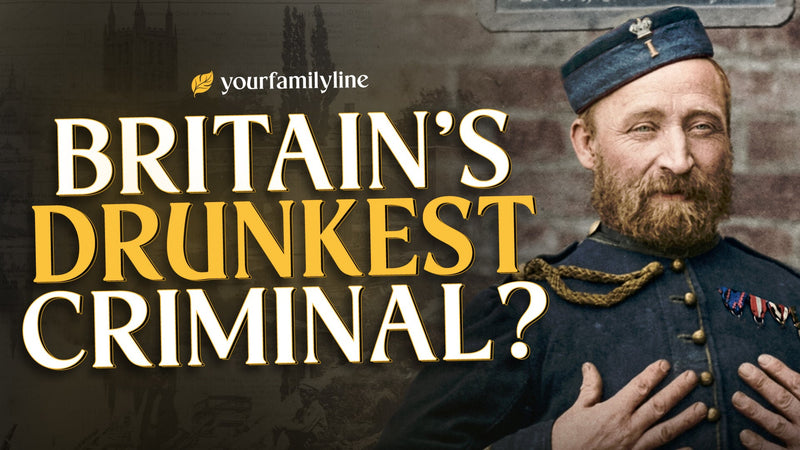
Meet The Worst Criminal in Victorian Britain

Meet The Worst Criminal in Victorian Britain

On a Tuesday afternoon in March 1886, a coachman in a Devon village called Bishopsteignton hung his overcoat in the saddle-room. By the next morning it was gone. A few hours earlier, a constable had seen a stranger wandering the same village in the full uniform of a Prussian infantry regiment, two medals on his chest, playing an accordion. Those two facts turned out to be the same story.He sold the coat in a Teignmouth pub for five shillings. Within a year he'd stolen a five-pound bicycle in Worcester, in broad daylight, through the window of the smoke-room the owner was drinking in. Six weeks after coming out of prison he was caught in Somerset wheeling a pair of stolen handcarts down the street, then sitting down on them to wait. The constable's words in court were "drunk, and stupid."His name was Bernard Piepho. He was Prussian, in his forties, and across three and a half years of wandering rural England he told the magistrates he was a tailor, an artilleryman, a musician, and a deserter trying to reach a brother in Aldershot. In the summer of 1888 he broke into a chapel in Herefordshire and got twelve months hard labour. On the fourteenth of October 1889 he was released from Hereford Prison. The destination column on his discharge record says one word. Germany.After that, nothing. No more courts, no more newspapers, no more accordion in a Devon village. This is his story, told through the records he left behind.
Read More: Meet The Worst Criminal in Victorian Britain
How This BLIND Man Got CAUGHT With Two Wives?!

How This BLIND Man Got CAUGHT With Two Wives?!

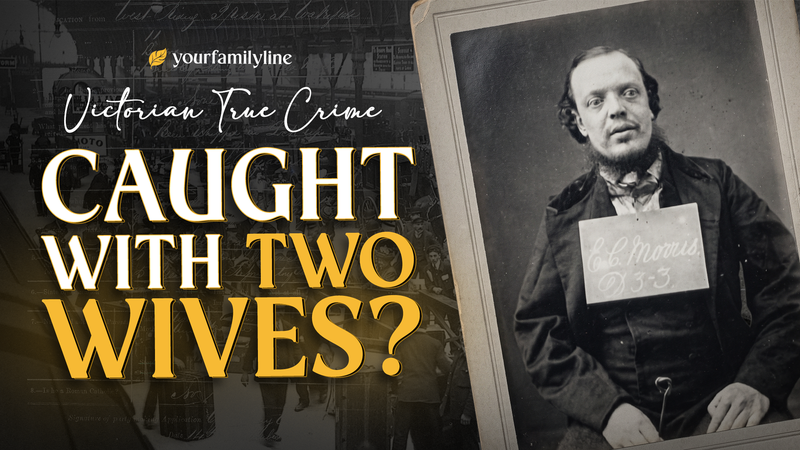
In April 1858, a young ship steward signed his name in the register at Liverpool Parish Church, marrying a woman called Sarah Ekenhead. He lived with her for three weeks. Then he left.Nine years later, now completely blind, he married again — a seventeen-year-old girl named Josephine Escofet, at St Philip's Church in Birmingham. He told her he was a bachelor. He told her he had money and property. Neither was true.He beat her. He sold her clothes. She left him at least thirteen times, and every time she came back, he did it again. When she finally discovered his first wife was still alive in Liverpool, she went there herself, got the marriage certificate, and brought the charge.His name was Edward Charles Morris, and by the time he stood trial at the Warwickshire Summer Assizes in 1870 — blind, pockmarked, defending himself from the dock — he'd been in custody eight times, attempted to take his own life on at least three occasions, and blamed every woman in his life for his own misery.The jury took a few moments. After two years of hard labour, he walked out of Birmingham Borough Prison and vanished. I can't find him anywhere. This is his story, told through the records he left behind.
Read More: How This BLIND Man Got CAUGHT With Two Wives?!
The Most CHAOTIC Family in Victorian South London - And the Boy Who Survived It

The Most CHAOTIC Family in Victorian South London - And the Boy Who Survived It

In June 1873, an eleven-year-old boy stood before the magistrates at Richmond Petty Sessions in Surrey. He'd stolen gooseberries from a garden - the whole lot valued at a shilling. They gave him one month's hard labour and five years in a reformatory. He already had three previous convictions. He was eleven. Behind him was a household that the courts knew even better than they knew him. A father who'd threatened to kill his mother. A brother already lost to the prison system. Parents who appeared in the petty sessions so often that a magistrate once described where they lived as "an extraordinary neighbourhood." His name was John Greening, and by every measure the Victorian system had, he was going the same way as the rest of them. What happened next is a story I didn't expect to find. This is his life, told through the records that survived him.
Read More: The Most CHAOTIC Family in Victorian South London - And the Boy Who Survived It
Why This 5ft 4 Man Was the MOST DANGEROUS in South London

Why This 5ft 4 Man Was the MOST DANGEROUS in South London

In 1885, a five-year-old boy fell into the Grand Surrey Canal in Deptford and nearly drowned. Two strangers dived in and saved his life.Twenty-three years later, a detective-sergeant stood up in the Central Criminal Court and called that same boy — now a man, five foot four, twenty-five convictions to his name — the most violent and dangerous man in South London. The inhabitants of Deptford, he said, were terrorised by him.His name was Maurice Brown. What happened between the canal and the courtroom is a story of poverty, violence, drink, and a system that processed him without ever understanding him. This is his story, told through the records that survived him.
Read More: Why This 5ft 4 Man Was the MOST DANGEROUS in South London